Children’s views, voices and experiences should be at the heart of decisions about the future of Scotland’s NHS, according to national children’s health rights charity Children’s Health Scotland. Every child has the right to the best possible health, and any reform should be judged by whether it improves access to care, reduces waiting times and helps children realise that right in practice.
The charity has recently completed a National Health Rights Survey gathering the views and experiences of children and young people, parents and carers, health professionals and education professionals from across Scotland. The resulting report will be launched at the charity’s forthcoming My Health, My Rights Conference in October, but the emerging findings already point to a clear message: children want to be listened to, families want timely access to support and professionals want the resources needed to deliver rights-based care.
As the Scottish Government considers proposals to replace Scotland’s 14 territorial NHS Boards with two Strategic Health Boards, Children’s Health Scotland believes there is an opportunity to create a more consistent, rights-based healthcare system for children and young people. However, any changes must be shaped by the experiences of those who use services and judged against their ability to improve outcomes for children.
Helen Forrest, Chief Executive of Children’s Health Scotland, said:
“Every child has the right to the best possible health. The question is not whether Scotland has 14 Health Boards or two. The question is whether children and young people can access the support they need, when they need it, regardless of where they live.
“Our recent National Health Rights Survey findings clearly demonstrate that children increasingly understand their rights, but they do not always experience those rights in practice. Children and young people told us they want adults to listen to them, involve them in decisions and provide support before problems reach crisis point. Families told us they face challenges accessing support and navigating services, while professionals described increasing pressures on the system. Most significantly, concerns about delays in mental health and neurodevelopmental services were raised consistently by children, families, health professionals and education professionals alike.
“If these reforms are to deliver meaningful change, they must improve access to support, reduce inequalities, strengthen children’s participation and ensure that rights are experienced consistently across Scotland, not just understood in principle.
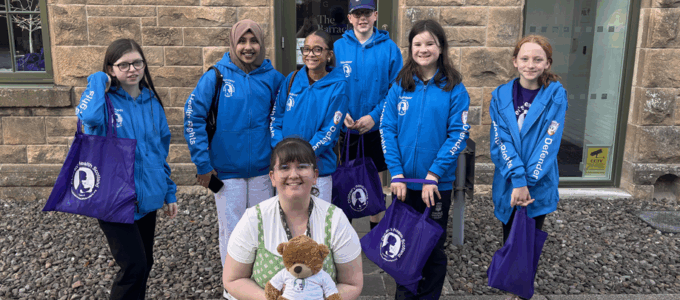
“Children and young people must not simply be consulted once plans have been developed. They should help shape these changes from the outset. Through the views and voices of our Health Rights Defenders and our national survey work, children have told us very clearly that they want adults to listen, involve them in decisions and ensure support is available before problems reach crisis point.
“We would encourage the Scottish Government to place children’s rights, participation and lived experience at the heart of this reform process. Ultimately, success will be measured by whether children experience better healthcare, not by how services are organised.”
The charity noted that specialist children’s healthcare is already delivered through Scotland’s children’s hospitals alongside a wide range of local and community-based services. It believes any future system should be assessed against its ability to uphold children’s rights, improve access to timely care, reduce waiting times and ensure children and families are meaningfully involved in shaping services.