Happiness doesn’t always come from the biggest moments. It comes from the moments that matter. Sometimes it’s finding the confidence to join a conversation. Sometimes it’s meeting someone who understands what living with a health condition is like. Sometimes it’s discovering a new strength, trying something you never thought you could do, or simply having fun and feeling like you belong.
At Children’s Health Scotland, these are the moments we see every day through our Self-Management Skills (SMS) Programmes.
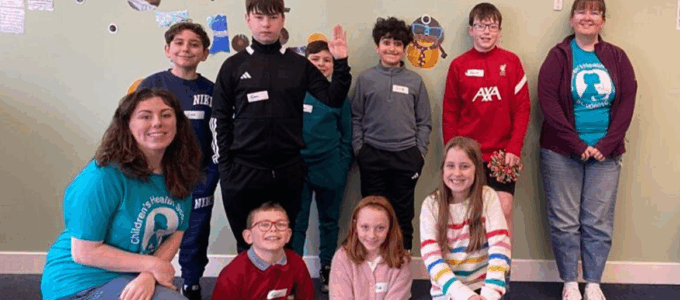
Designed for children and young people aged 9 to 17 living with long-term health conditions and disabilities, our SMS Programmes help participants build confidence, develop practical self-management skills and connect with others who understand their experiences. Whether delivered face-to-face, online through SMS:CONNECT, or in schools and communities across Scotland, every programme creates opportunities for children and young people to learn, grow and have fun together.
Rhianne Forrest, Officer at Children’s Health Scotland, said:
The demand for our SMS Programmes continues to grow year after year, demonstrating just how much children, young people and families value spaces where they feel seen, heard and understood. We regularly hear from participants that the greatest gift SMS gives them is a sense of belonging. For many, it’s the first time they’ve met other young people who truly understand what it’s like to live with a long-term health condition.
Happiness is a word that comes up again and again. Not because SMS makes challenges disappear, but because it creates opportunities for children and young people to have fun, build meaningful friendships, develop confidence and realise they are not alone. At the heart of every programme is a commitment to children’s health rights. We want every child and young person to know that they have the right to participate, the right to be heard, the right to access information and the right to achieve the best possible health. Through SMS, we help turn those rights into reality.
More Than Learning Skills
When children and young people tell us about their SMS experience, they rarely start by talking about self-management:
- They talk about the friendships they made, the games they played, the challenges they overcame and the people they met.
- Many young people join their first session feeling nervous. Some are worried they won’t know anyone. Others are unsure about speaking in a group or trying something new. As the weeks go on, we often see those same young people encouraging others, sharing their ideas and growing in confidence.
- While they are having fun, they are also learning valuable skills. Through creative activities, discussions, team challenges and shared experiences, children and young people learn about managing emotions, coping with worries, communicating their needs and looking after their wellbeing.
- Most importantly, they begin to recognise that they already have strengths they can build upon.
Discovering You’re Not Alone
One of the things children and young people value most about SMS is meeting others who understand.
Living with a long-term health condition can sometimes feel lonely. Children have told us that friends, teachers and even family members do not always understand what it is like to miss school for appointments, manage symptoms or live with uncertainty about their health.
Through SMS, children and young people quickly discover they are not alone.
They share experiences, swap ideas, celebrate successes and support each other through challenges. Many describe feeling relieved to meet people who simply “get it” without needing an explanation.
For some, the friendships formed during SMS become one of the most important outcomes of the programme.
Building Confidence and Understanding Rights
Alongside developing self-management skills, children and young people also learn about their health rights.
Through discussions and activities, they learn that they have the right to be listened to, the right to information about their health, the right to participate in decisions that affect them and the right to achieve the best possible health.
We often see young people grow in confidence as they begin to understand these rights. They become more comfortable asking questions, sharing their views and speaking up about what matters to them.
When children and young people know their rights and feel empowered to use their voice, they are better equipped to navigate healthcare, school and everyday life. These may seem like small steps, but they can make a significant difference to confidence, wellbeing and self-belief.
Happiness Beyond the Programme
- The smiles and laughter we see during our sessions are important, but the real impact of SMS often happens afterwards.
- It happens when a young person uses a technique they learned during a session to manage their anxiety before an appointment.
- It happens when a child feels confident enough to tell a teacher what support they need.
- It happens when someone reaches out to a friend they met through SMS because they know they will understand.
- It happens when children and young people realise they are capable, resilient and not facing life’s challenges alone.
This #BeHappy Thursday, we’re celebrating every child and young person who has taken part in an SMS Programme.
They remind us that happiness isn’t about life being perfect. It’s about feeling understood, supported and confident enough to be yourself. It’s about having a place where you belong, where your voice is valued and where you can develop the skills to manage your health and wellbeing.
Because when children and young people have opportunities to connect, play, learn and be heard, they build something that lasts far beyond six weeks.
They build confidence, friendships and the foundations for a happier, healthier future.
To find out more about our Self-Management Skills Programmes, or to make a referral, contact us at: sms@childrenshealthscotland.org.
You can also refer directly by CLICKING HERE.