In April, Children’s Health Scotland was invited to deliver My Health, My Rights training to first‑year Adult Nursing students at the University of Glasgow. While these students are preparing for careers in adult healthcare, the focus of this session was clear and intentional: children and young people aged 16–17 are often cared for in adult settings – and by law, they retain all their rights under the UN Convention on the Rights of the Child (UNCRC).
Reflecting on why this training is so important, Helen Bauld, Training and Programmes Manager at Children’s Health Scotland, said:
“By law, children and young people have their children’s rights until they are 18 – regardless of whether they are receiving care in a children’s ward or an adult setting. Too often we expect young people aged 16 and 17 to adapt to adult services, when in reality adult services need to be equipped for children. Children are not little adults; they have specific emotional, developmental and communication needs. Respecting children’s rights is fundamental to keeping them safe, happy and healthy – and crucially, we know that when children’s rights are respected, they are more likely to trust healthcare services and continue to engage with them into adulthood.”
This message sat at the heart of the training. Children should never be expected to fit into systems that were not designed for them. Adult services must be prepared to meet children’s needs, not the other way around.
Why Children’s Rights Matter in Adult Healthcare Settings
In Scotland, anyone under the age of 18 is a child in law. Their rights do not change because they are placed on an adult ward or receiving care from adult services. Yet for many young people, adult healthcare environments can be overwhelming, inappropriate and isolating.
Students reflected on how eye‑opening it was to understand this:
“It gave me an awareness of the rights a child has even in an adult setting and allows the child to know their rights to prevent stressful or traumatising situations.”
Healthcare experiences during adolescence matter. For children and young people — especially those with long‑term conditions, anxiety, or additional support needs — feeling unheard or unsafe can lead to disengagement from services altogether. A rights‑based approach helps ensure that care is not only clinically effective, but emotionally safe and developmentally appropriate.
The Impact of the Training: Learning That Sticks
The feedback from students highlighted just how impactful this training was.
- 100% of students said their understanding of a rights‑based approach for children and young people improved.
- 100% reported improved knowledge of the UNCRC, with most rating this improvement 4 or 5 out of 5.
- All students said they now feel better able to support children and young people in their care.
- For many, this was the first time they had explored how children’s rights apply specifically within adult healthcare environments.
“The difference between children and adult human rights through UNCRC.”
“How little rights can be overlooked.”
One of the strongest learning themes from the session focused on transition from children’s to adult services. Many students said they were surprised to learn that young people cannot be forced to move to adult services at 16, even when it is recommended.
“That children can stay in services although they are 16.”
Poorly managed transitions can have a lasting impact on a young person’s wellbeing, confidence and trust in healthcare. The training reinforced that decisions about transition must be guided by best interests, voice and choice, rather than age alone.
As one student reflected:
“The long‑term impact of bad healthcare experiences or poor transitions can be massive. Getting it right for young people and helping them be empowered can be so beneficial.”
Children Are Not Little Adults
The session also explored why children and young people require specific protections and approaches, particularly when receiving care in adult environments. Rights such as participation, protection, family support and play continue to matter — regardless of the setting.
“That children need to still be protected even in hospital, because not always are measures put in place for their best interests.”
Alongside rights knowledge, students developed practical skills, including:
- Communicating effectively with teenagers
- Involving young people in decisions about their care
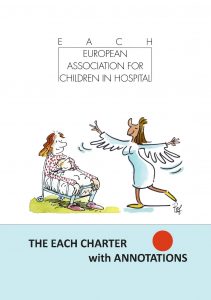
- Understanding the EACH Charter
- Supporting emotional regulation and stress in healthcare settings
Looking Ahead
These students are the future of Scotland’s health workforce. Embedding children’s rights into adult nursing education early helps ensure that no young person becomes invisible simply because of where they receive care.
As one student powerfully summed up the learning from the day:
“People deserve to be heard and respected.”
At Children’s Health Scotland, we believe that respecting children’s rights is not optional — it is essential. When education, practice and systems align around children’s rights, children and young people are safer, healthier and more likely to engage positively with healthcare throughout their lives.
Have Your Say: National Survey on Children’s Rights
At Children’s Health Scotland, we know that meaningful change starts by listening to children, young people, families and those who support them. That’s why we are currently running a national survey on children’s rights, focusing on experiences of healthcare and support across Scotland.
The survey will help us better understand:
- How well children’s rights are being respected in health settings
- Where gaps remain, particularly for children and young people receiving care in adult services
- What needs to change to ensure children are safe, listened to, supported and treated with dignity
The findings will directly inform our future work and advocacy, helping to ensure that children’s voices shape improvements to health services and influence decision‑makers at local and national levels.
📝 We want to hear from you.
Whether you are a child or young person, parent or carer, student, professional or ally — your experience matters.
➡️ Take part in the national survey on children’s rights: CLICK HERE TO TAKE PART