Earlier this month, COSLA published its white paper Local Government’s Vision for the Future of School Age Learning in Scotland, setting out an ambitious commitment to inclusion, wellbeing and local flexibility in education across Scotland.
At Children’s Health Scotland, we welcome this recognition that learning cannot be separated from children’s health, wellbeing and lived experience. Many children and young people are managing long term health conditions, additional support needs, mental health challenges, poverty or disrupted access to services. For them, education systems that are inflexible or poorly connected to health support can cause real and lasting harm.
Rhianne Forrest, Officer for Children’s Health Scotland said:
“Children and young people with additional support needs have always been here. When we talk about a rise of children and young people with additional support needs, we need to ask whether this is truly an increase, or whether we are finally developing a deeper understanding for children’s rights.
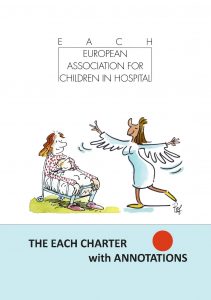
Every child has a right to education. When a child has a health condition they may miss school. When additional support needs are added, many of our children tell us they feel isolated and alone. We welcome COSLA’s focus on flexibility and inclusion in education. However, this can only be achieved when duty bearers respect the UNCRC, GIRFEC and the EACH Charter, and when they are genuinely Health Rights Aware.”
Wellbeing, Health and Children’s Rights
COSLA’s vision places wellbeing at the centre of school age learning, alongside attainment and skills development. This aligns closely with Scotland’s commitment to the United Nations Convention on the Rights of the Child.
The UNCRC recognises every child’s right to education, to the highest attainable standard of health, and to have their views heard in decisions that affect them. These rights are deeply connected. When a child’s health needs are not understood or supported, their access to education is often the first thing to suffer.
Children and young people with health conditions regularly tell us that anxiety around school, lack of understanding from adults, and rigid attendance policies can make learning feel inaccessible. A system that prioritises wellbeing must accept that children cannot thrive at school if their health needs are unmet.
Inclusion Means Listening to Lived Experience
The COSLA white paper acknowledges rising levels of additional support needs and long term wellbeing challenges. This reflects what children and families share with us every day through our services.
Inclusion is not only about being present in a classroom. It is about being listened to, believed and supported in ways that allow children to participate fully in education and school life. For children with health conditions this often includes reasonable adjustments, flexible expectations, support during transitions, and trauma informed responses to distress.
The UNCRC is clear that children are rights holders. Their views and experiences must shape the way education systems develop, particularly for those most likely to feel excluded.
Joined Up Support Between Education and Health
COSLA highlights the importance of joined up and well resourced approaches delivered locally. For children with health conditions, fragmented systems can result in missed learning, delayed support and increased pressure on families.
Education and health services must work together to reduce barriers. The EACH Charter reminds us that children have the right to dignity, individualised care, and continuity in their lives, including their education, when they access healthcare.
When children move between school, home and healthcare settings, learning and wellbeing must be seen as connected, not competing priorities.
The Role of Self Management Skills Programmes
Children’s Health Scotland’s Self Management Skills Programmes play a vital role in bridging the gap between health and education. Our SMS Programmes support children and young people with health conditions to build confidence, understand their rights, strengthen communication skills and develop strategies that help them engage with learning.
By supporting children to understand their health, express their needs and build peer connections, SMS Programmes reduce isolation and increase inclusion in school settings. They help children feel more confident returning to school after absences, advocating for reasonable adjustments, and maintaining a sense of belonging within their school community.
Importantly, these programmes also support schools and professionals by strengthening understanding of children’s health needs and encouraging rights based, compassionate approaches to inclusion.
As Scotland looks toward the Holyrood elections in 2026, sustained and long term support for programmes like SMS is essential. If we are serious about inclusion, wellbeing and children’s rights in education, these programmes must be recognised as fundamental rather than optional.
Investment in self-management, play, peer support and health rights education is an investment in attendance, engagement and positive long-term outcomes for children and young people, building the skills, confidence and independence they need to manage their health needs effectively as they grow into adulthood.
Flexibility Is Essential
Local flexibility is a central theme of COSLA’s vision. For children whose health can fluctuate, flexibility is essential.
This includes understanding medical absences, flexible learning approaches, alternative pathways, and compassionate responses to distress. A single rigid model of schooling cannot meet the needs of all learners.
Trusting relationships between families, schools and local services creates space for solutions that reflect children’s real lives.
Being Health Rights Aware
For COSLA’s vision to succeed, duty bearers across education and health must be Health Rights Aware. This means understanding children’s rights under the UNCRC, respecting the EACH Charter, and recognising the impact health has on learning.
It also means ensuring children and families are supported to understand their rights and know where to turn when support is not working.
A Rights Based Future for School Age Learning
Scotland has strong foundations in children’s rights. COSLA’s vision offers a timely opportunity to embed those rights more deeply within school age learning.
At Children’s Health Scotland, we will continue to work alongside children, young people, families, schools, health professionals and decision makers to ensure health, wellbeing and rights are at the heart of education reform.
When schools work for children’s health and rights, children are better able to learn, belong and thrive
WANT TO TAKE PART IN SCOTLAND’S BIGGEST HEALTH RIGHTS SURVEY? YOU CAN FIND OUT MORE BY CLICKING HERE